
Today's meetings and free rooms, on every screen
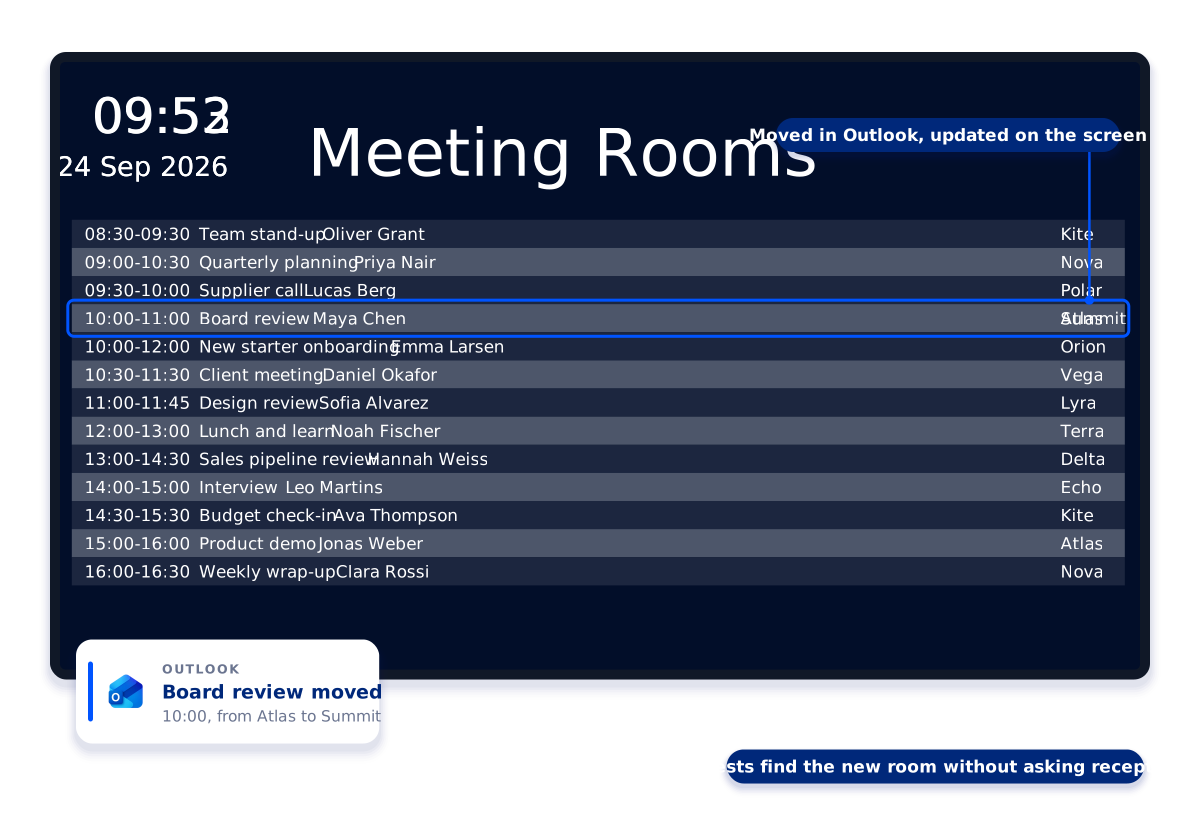
AskCody Meeting Dashboards put today's meetings, and which rooms and desks are free right now, on a large screen in your reception, your lobby or on each floor. Book or move a meeting in Outlook, and the screen shows it in real time. Guests find their meeting and your people find a free room, without asking anyone.
Built on, with, and for tech you trust
Microsoft Azure, Microsoft 365 and modern add-ins for Outlook.
Recognized by analysts
Named a market-leading vendor in the Meeting Management category.
What is a meeting room dashboard?
It is 8:55 on a Tuesday. Three guests are at the front desk asking where the board review is. A project team is walking the third floor, opening doors to find a free room. And your receptionist is answering the same question for the fourth time this morning. Every one of those meetings is in a calendar, just not anywhere people can see it.
A meeting room dashboard puts it there. It is a large, read-only screen in a busy spot (the reception, the lobby, a floor entrance or a cluster of meeting rooms) that shows today's meetings and which rooms and desks are free right now, straight from your calendars in Microsoft 365 and Exchange.
- Guests see where and when their meeting is, without queuing at the front desk.
- Employees see which room on their floor is free, without opening doors.
- Reception gets its time back for the guests who need a person.
How do AskCody Meeting Dashboards work?
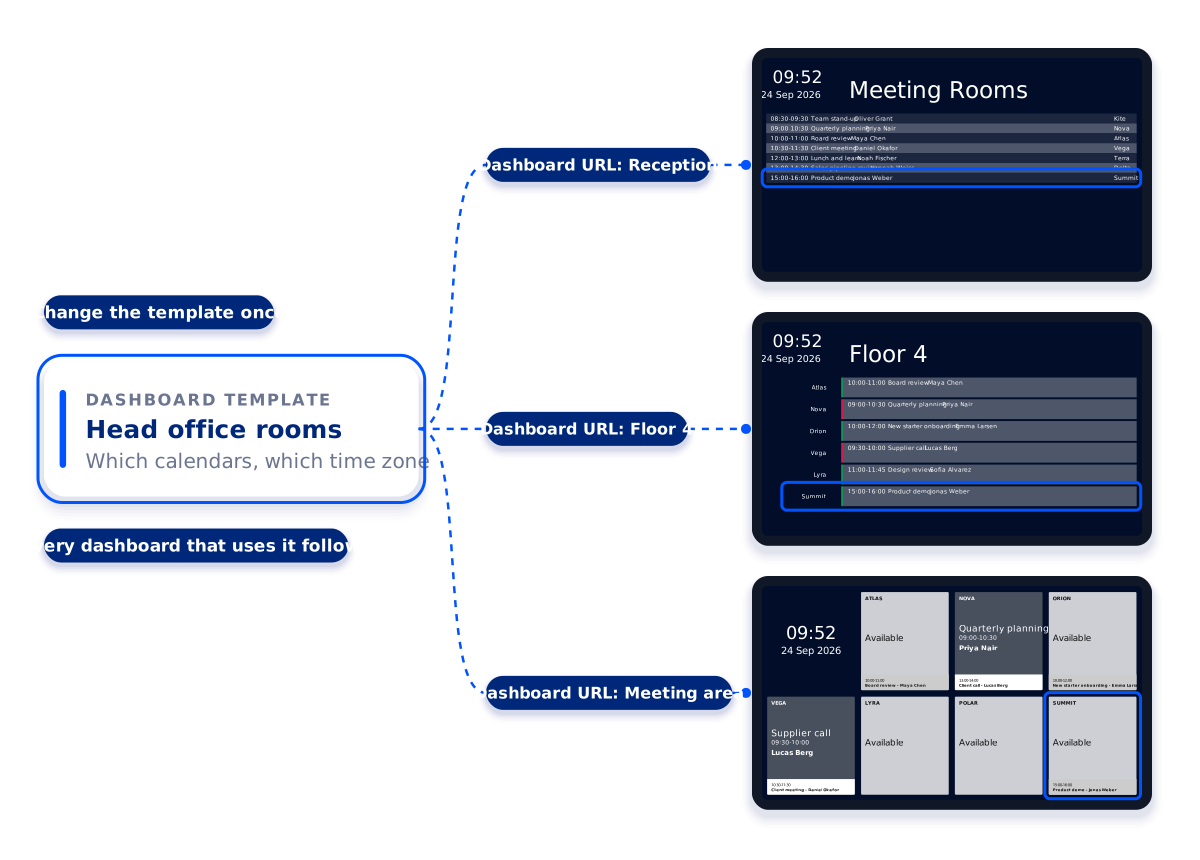
You set them up once in the AskCody Management Portal, in two parts.
- A dashboard template decides what the screen shows: which room, desk and people calendars, and in which time zone.
- A dashboard is the unique URL that shows it. Open the URL on the screen, and it runs.
- One template, many dashboards. Several dashboards can use the same template, so you change the content once and every dashboard that uses it follows.
Where is my meeting? On the screen, in time order
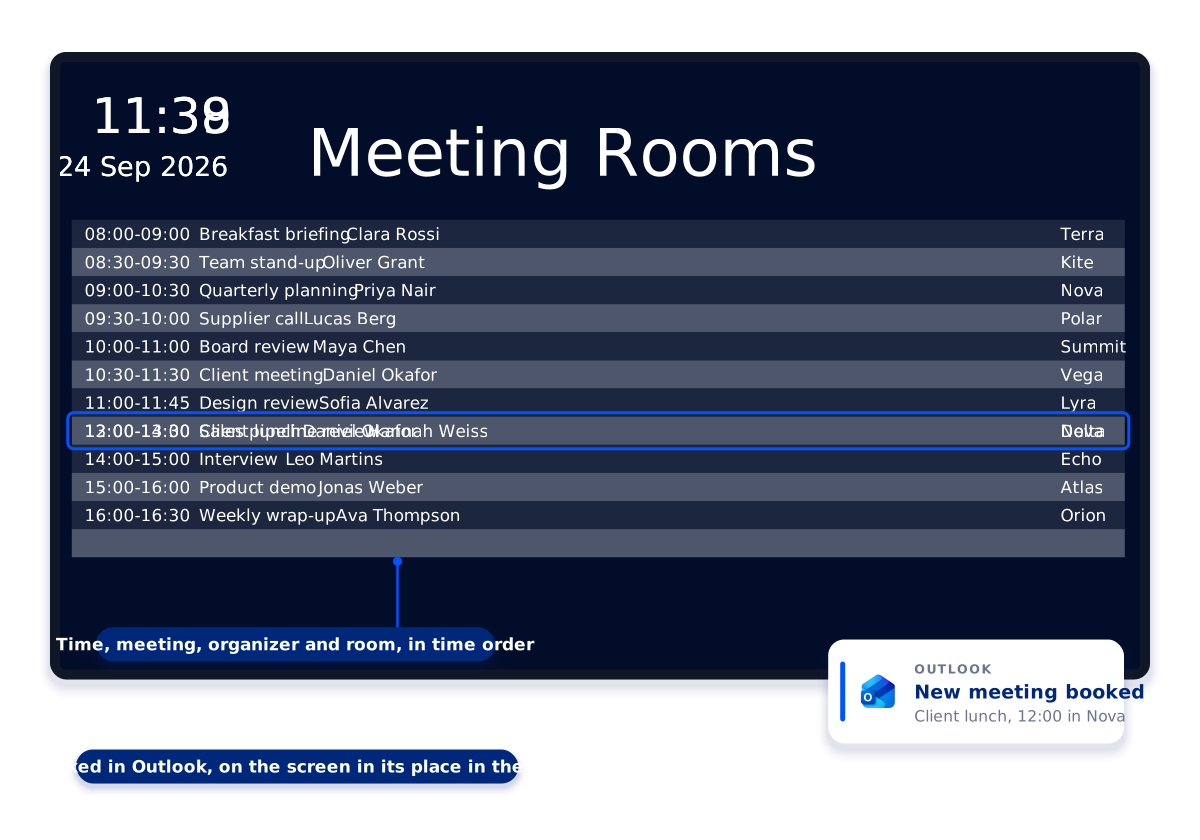
The compact layout lists the day's meetings in time order: when, what, who is organizing and in which room. It is built for buildings with many meetings in a day and for pointing guests the right way, which makes it the natural choice for the reception.
Fewer meetings in a day? The extended layout shows the same information with more room to breathe.
- Always current. Book or move a meeting in Outlook, and the dashboard shows the change.
Is the room free? Green or red, room by room
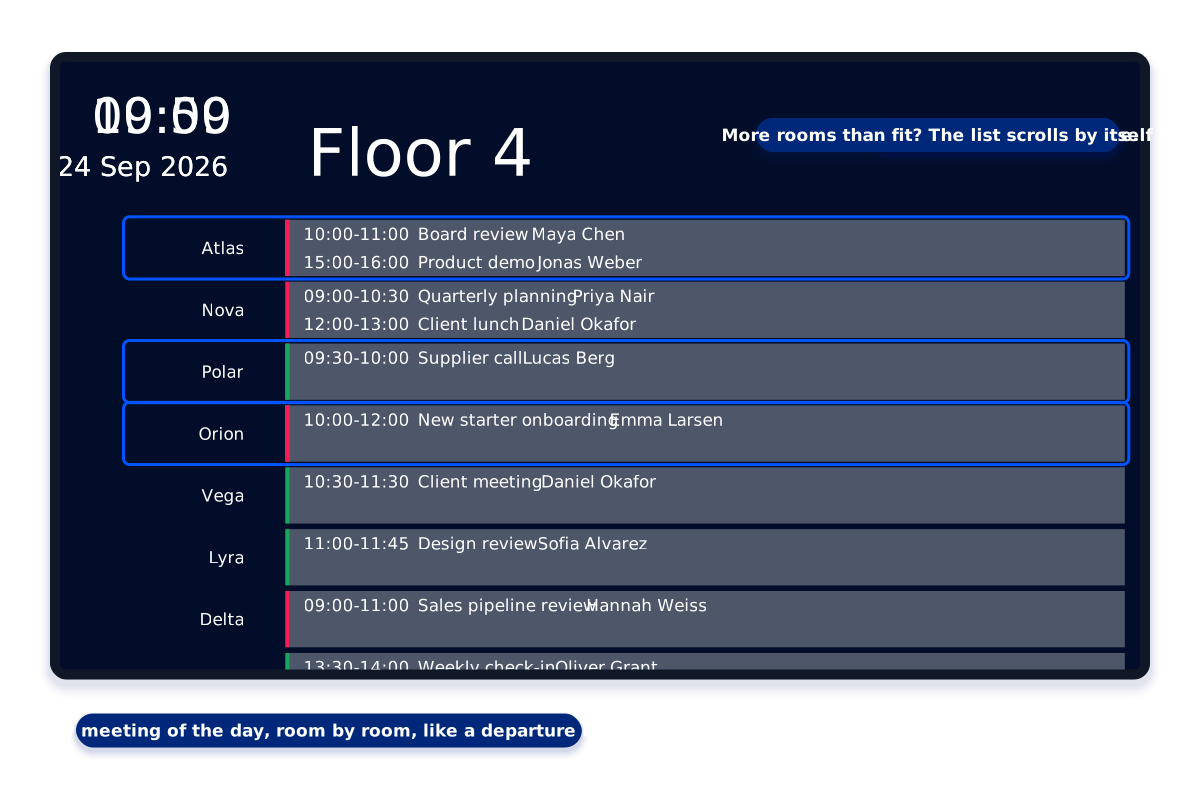
The availability list works like a departure board. Every room gets a row with all of its meetings for the day, and a bar that shows its status right now: green when it is free, red when it is in use.
- Room after room. When there are more rooms than fit on the screen, the list scrolls by itself.
- Rooms and people together. The same list can show people's calendars next to the rooms.
A whole floor at a glance, one tile per room
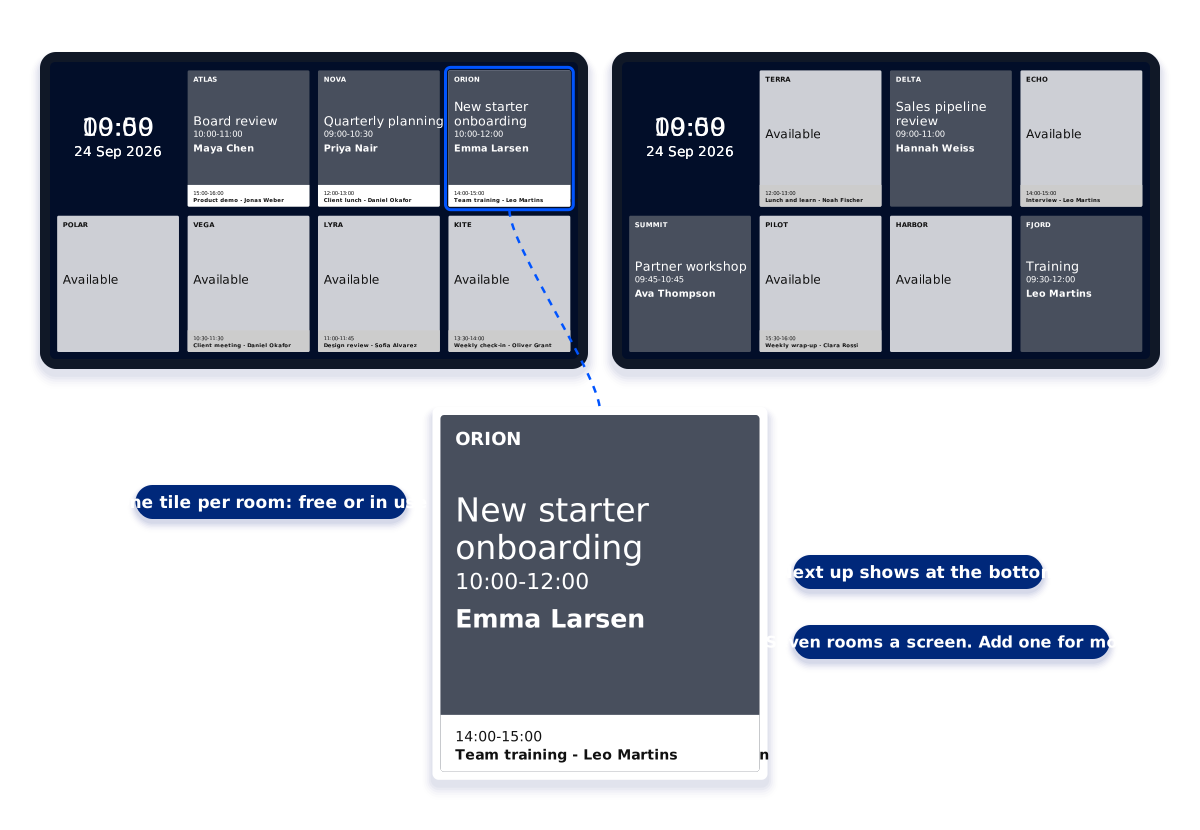
The availability tile layout gives each room its own tile, so a free room and a room in use stand apart at a glance. A tile in use shows the meeting, its time and the organizer, and the next meeting sits at the bottom of the tile.
- Seven rooms per screen with the time and date, or eight without. A bigger floor simply gets a second screen next to the first.
Not just meeting rooms: desks and people too
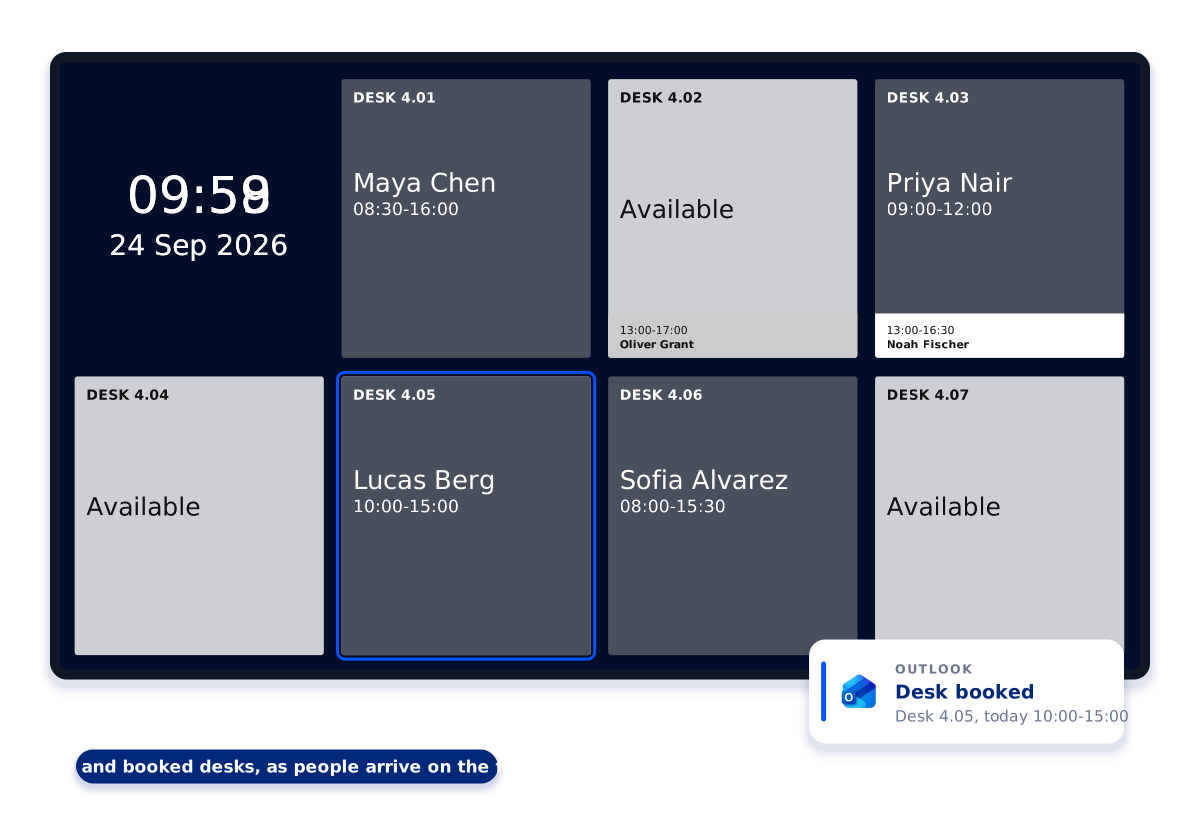
On a hot-desk floor, the first question of the day is where there is room. Dashboards show free and booked desks in real time, so people coming in see which desks are free before they start walking the rows.
Tiles and lists can also show people's calendars, so colleagues can see who is in a meeting and who is free to talk, without interrupting anyone.
Room displays or meeting dashboards: which do you need?
Room displays sit at the door
A tablet-sized screen at one room shows whether it is free and what comes next. People can book the room right there, check in so a no-show room is released for the next team, and end or extend their meeting.
Dashboards give the overview
A large, read-only screen in the reception, the lobby or at a floor entrance shows many rooms, desks and the day's meetings at once, so people know where to go before they reach a door.
The two work well together: the dashboard gets people to the right door, and the display at the door runs the room.
What does IT need to run Meeting Dashboards?
Dashboards show the room, desk and people calendars you connect from Microsoft Exchange. For Exchange Online, AskCody connects through Microsoft Graph, and Exchange on-premises connections are supported too.
- In the Management Portal: create the template under Admin Center, Dashboards, Dashboard Templates, and the dashboard under Bookings, Dashboards, Manage Dashboards.
- On the screen: any Full HD screen with a built-in URL launcher, in landscape or portrait, a small computer running Google Chrome in kiosk mode, or ScreenCloud or Airtame.
The hardware stays yours
AskCody maintains the software. You choose, install and maintain the screens. Want to test the screens you already have? Ask us about a proof of concept.
Priced per calendar, not per screen
You pay per calendar a dashboard shows, so putting the same dashboard on more screens does not change your plan.
The first thing I open every morning
“I use AskCody every single day. I mean one of the first things I do in the morning is pull up Central and look at what is going on that day and the following for each of the offices that I manage.”
Room for the meetings nobody planned
“Only being able to book meeting rooms in advance is just not enough for us... With AskCody we can keep some rooms for exactly that and book our emergency meetings directly on a tablet just outside the meeting room. It gives our users peace of mind to know that there is always a resource that can be used.”
The whole meeting, organized in Outlook
“By using AskCody, our employees will be able to manage the end-to-end process of organizing their own meetings in Microsoft Outlook, and easily find a workplace that will perfectly fit their needs.”
Not just a vendor, a partner
“Our goal was to find a partner who can hear our concerns, understand our requirements, support us in our project... Working with AskCody means working with an actual familiar team that gives you great support. It is not only a business arrangement, it is a partnership.”
Not just a number
“You’ve been patient with us and our IT department, and you’re always readily available or make yourself available. You’ve made it feel like AskCody is not too big of a company and that we’re not just a number.”
It looks and feels like Outlook
“AskCody was a much easier transition because it looks the same as the native Outlook experience, but it’s easier for the end user as you can do all the requirements of your meeting in this one spot.”
Common questions about meeting dashboards
A meeting room dashboard is a large, read-only screen in a busy spot, such as the reception, the lobby or a floor entrance, that shows today's meetings and which rooms and desks are free right now. AskCody Meeting Dashboards read your calendars in Microsoft 365 and Exchange in real time, so guests find their meeting and employees find a free room without asking.
Four. Compact lists the day's meetings in time order with the time, subject, location and organizer, for buildings with many meetings and for directing guests. Extended shows the same information with more space, for days with fewer meetings. Availability tile gives each room or person its own tile, up to eight per screen, or seven with the time and date. Availability list shows every calendar with all of its meetings and a green or red status bar, and scrolls by itself when there are many calendars. See an example of each layout in the Help Center.
In the availability tile layout, up to eight tiles, or seven when the time and date are shown. For a larger floor, add a second screen with the next set of rooms. The availability list scrolls by itself, so it can hold more rooms than fit at once, and the compact layout lists a full day of meetings.
Yes. Dashboards show free and booked desks in real time, which helps on hot-desk floors. The tile and list layouts can also show people's calendars, alone or mixed with rooms, so colleagues can see who is busy and who is free.
Yes. Dashboards read the connected calendars in real time, so a meeting booked or moved in Outlook shows on the screen.
A room display is a tablet-sized screen at one meeting room, where people can book the room, check in, and end or extend a meeting. A meeting dashboard is a large, read-only screen for the reception, the lobby or a floor entrance that shows many rooms, desks and meetings at once. See AskCody Room Displays.
No. A dashboard is read-only, made to be read from a distance in busy areas. To book on the spot, people use the room display at the door, or book in Outlook.
Dashboards are web-based, so they run on a wide range of screens. The Help Center has guides for a Full HD screen with a built-in URL launcher, in landscape or portrait, a small computer running Google Chrome in kiosk mode, ScreenCloud and Airtame. AskCody maintains the software; choosing, setting up and maintaining the hardware is up to you. Want to test screens you already own? Ask us about a proof of concept.
Yes. You pay per calendar shown on a dashboard, so showing the same dashboard on more screens does not change your plan.
Yes. AskCody connects to Exchange Online through Microsoft Graph, Microsoft's modern API, and Exchange on-premises connections are supported too. A meeting booked in Outlook shows on your dashboards.
The AskCody Platform is available in Danish, Dutch, English, Finnish, French, German, Italian, Japanese, Norwegian, Spanish and Swedish.
See Dashboards on your own screens
Talk to a consultant and see how a dashboard in your reception and on your floors gets guests and teams to the right room, on time.